The Ops Room: software shaped around real workflows

From messy workflowto working software.

I'm Fabian, an operator-builder. Founders and small teams bring me the messy version: spreadsheets, inboxes, scattered tools, and leave with dashboards, automations, internal tools, and follow-up systems that actually get used.

Fabian Janiszewski, founder of OpsByFabianFabian JaniszewskiOperator-builder · Spain

Built from Spain. Working in English, Spanish, and Polish.

Most businesses do not need more tools. They need better systems. I do not build apps first; I map the business leak first.

The operating principle behind every build

The leak map

Where businesses leak time, money, and follow-up.

Messy workflows become messy numbers. Each leak below has a system response. Hover to trace it.

L1Leads slip through the cracks

A follow-up system that never forgets

L2Operations feel scattered

One connected internal tool

L3Manual work eats the week

AI workflows that remove the repetition

L4Dashboards are disconnected

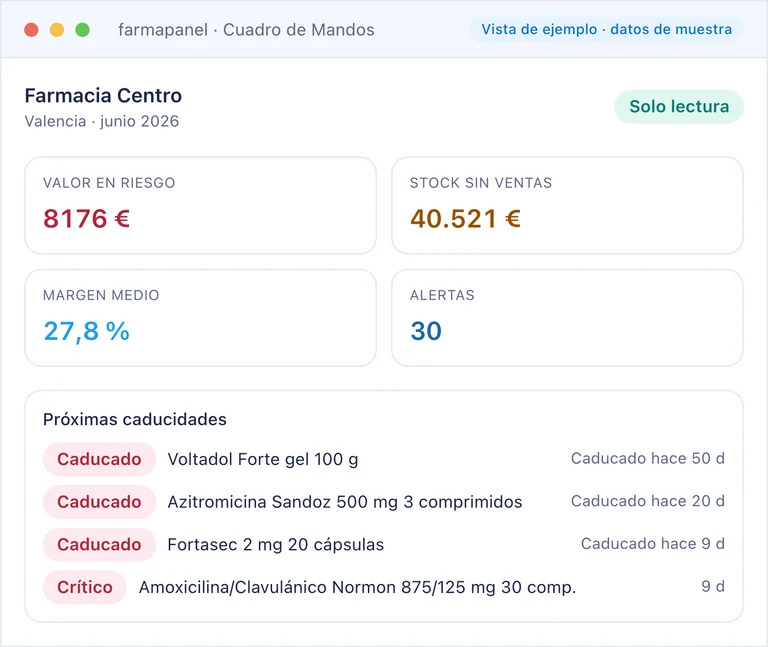
A single decision dashboard

L5Follow-ups depend on memory

Pipeline, reminders, relationship memory

L6Visibility is missing

Operational reporting that updates itself

Flagship proof

FollowUpOS proves the thinking.

Not a mockup for the portfolio. A real product, built with the same method offered here.

proof / followupos.caseFlagship proof

FollowUpOS

A follow-up operating system

Problem

Leads and relationships get lost because follow-up depends on memory. Pipelines live in heads, inboxes, and good intentions.

System

Pipeline, reminders, AI-assisted drafts, relationship memory, and a Chrome extension direction, built so the next follow-up is never a memory test.

Key decisions

  • Reminders before automation: remove the forgetting, keep the human.
  • AI drafts assist; the sender always stays in control.
  • Relationship memory over a contact database.
  • Boring enough to be used every day. That is the point.

What it proves

Product thinkingWorkflow designAI-assisted draftingReal business behavior
View the full teardownShown as an internal product and proof asset. No traction, user, or revenue claims.

Live product UI, recreated in code. No stock screenshots

The OpsBuild Method

Map first. Build second.

A serious build process, not random prompting. Six stages, each leaving an artifact you keep.

Map the workflowFind the leakScope the useful sliceBuild the systemTest with real behaviorHand off with clarity
Fabian Janiszewski, founder of OpsByFabian

About Fabian

An operator's perspective, a builder's output.

Background in operations and bookkeeping, which means I have seen what messy workflows do to real numbers. That perspective keeps every build practical: systems real businesses actually use.

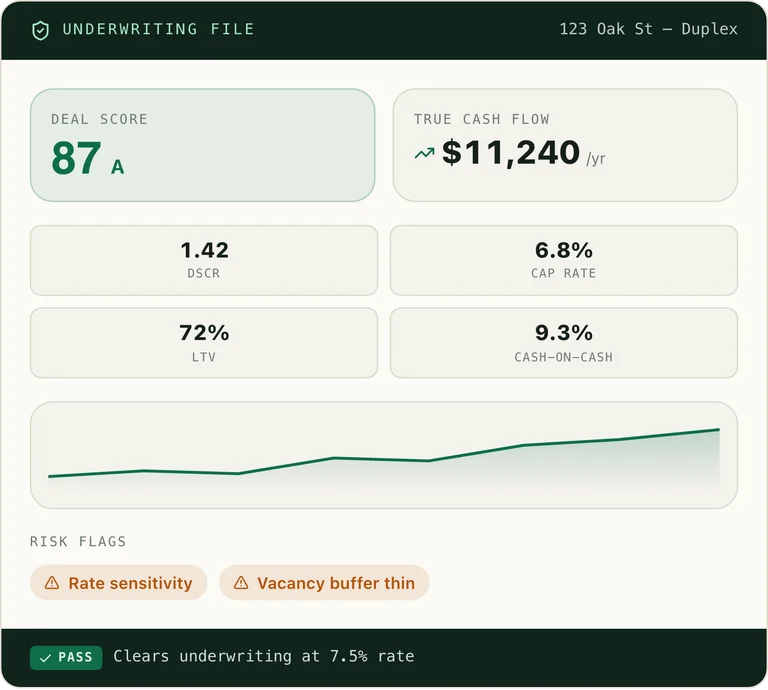
Alongside client work I build my own products: FollowUpOS and DealSharp. Same method, same standard.

  • Operations & bookkeeping background
  • Builds own SaaS products
  • Built from Spain, works internationally
  • English, Spanish, Polish
More about Fabian

Questions

Honest answers before we start.

What can we build in an OpsBuild Sprint?

One scoped thing: a dashboard, an internal tool, an automation, a small SaaS MVP, or a workflow-connected website. We pick the first useful slice and build that.

Is this full custom software?

It is a focused, scoped build, not an unlimited custom software contract. You leave with a clear plan, a prototype, or a first working slice you can keep growing.

What do I need before we start?

Just the messy version. A workflow, an idea, a spreadsheet, or some screenshots. The first step is turning that into a clear scope.

Can you work in Spanish?

Yes. I work in English, Spanish, and Polish. The whole sprint can run in Spanish if that is easier for you.

Can you help if I only have a messy idea?

Yes, that is the point. Bring the rough version and we shape it into something buildable together.

What happens after the sprint?

You get the working result plus handoff notes and next steps. You can continue on your own, bring in another builder, or scope a next build with me.

The Ops Room is open

Bring one messy workflow.

Start with a scoped OpsBuild Sprint. Leave with the first system that actually works.